

Supplements to Take on GLP-1 That Fill Key Nutrient Gaps
You sit down to lunch, take a few bites, and suddenly feel full. For many people on a GLP-1 medication, that moment feels like a win. After all, eating less is part of the plan. Yet a few weeks later, the stairs may feel steeper, and the afternoon slump may hit harder. These changes often have a simple explanation. When meals shrink, nutrients shrink with them. Knowing which supplements to take on GLP-1 therapy can help you feel as good as your progress looks.
Why Nutrient Gaps Happen on a GLP-1
GLP-1 medications slow stomach emptying and quiet appetite signals. As a result, breakfast might become a cup of coffee, and dinner might become a few forkfuls. Daily intake of protein, vitamins, and minerals can quietly fall below what your body needs.
Digestion often changes too. Some people notice nausea, constipation, or diarrhea, especially after a dose increase. On those days, even favorite foods can lose their appeal. For this reason, a simple nutrition plan matters as much as the medication itself.
Protein: The First Supplement to Take on GLP-1
Picture carrying groceries up the stairs or lifting a grandchild. Those everyday tasks depend on muscle. However, research on GLP-1 medications shows that a meaningful share of lost weight can come from lean mass, including muscle. Protecting it helps you stay strong, steady, and active as the pounds come off.
Protein supplies the amino acids your body uses to build and repair muscle tissue. Leucine, in particular, acts as a signal that switches on muscle protein synthesis. When a full meal feels like too much, a protein shake makes it easy to reach your daily target.
Physicians Preference Vitamins offers two options:
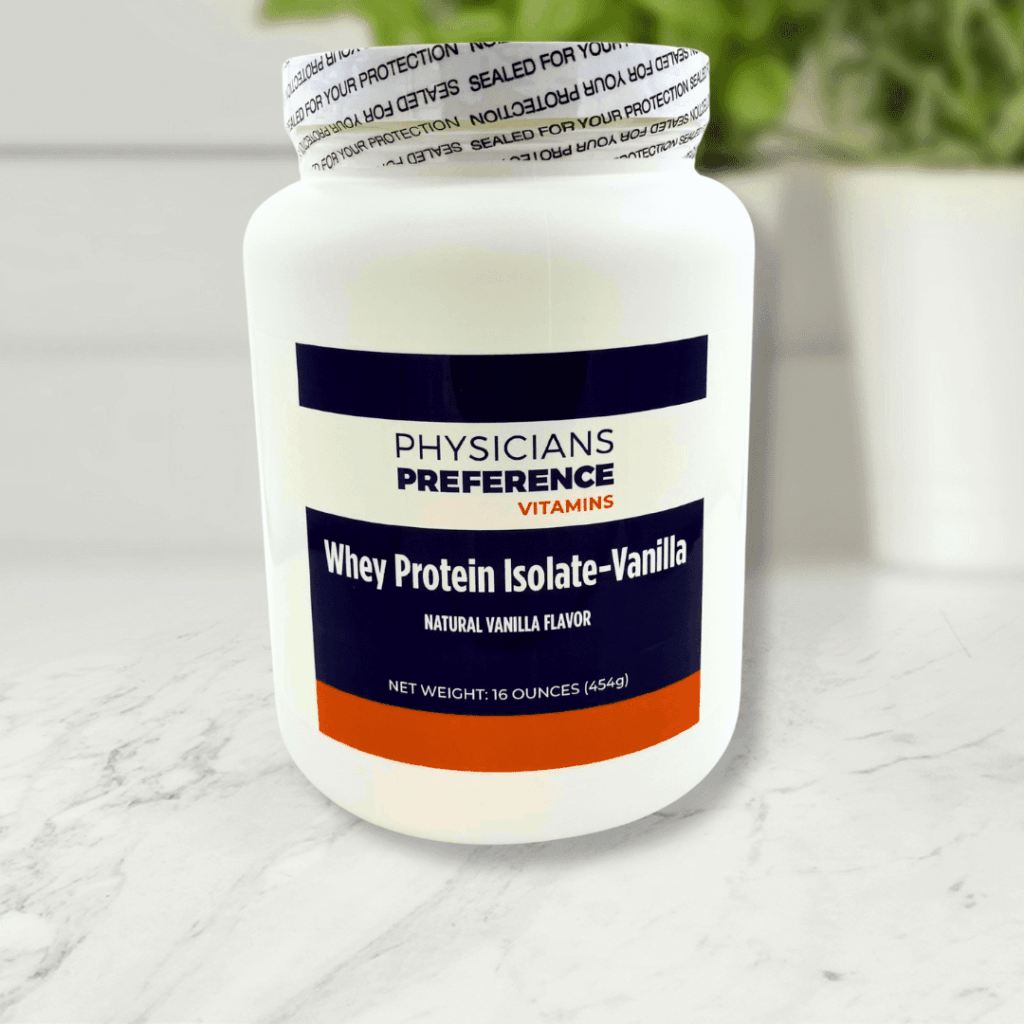
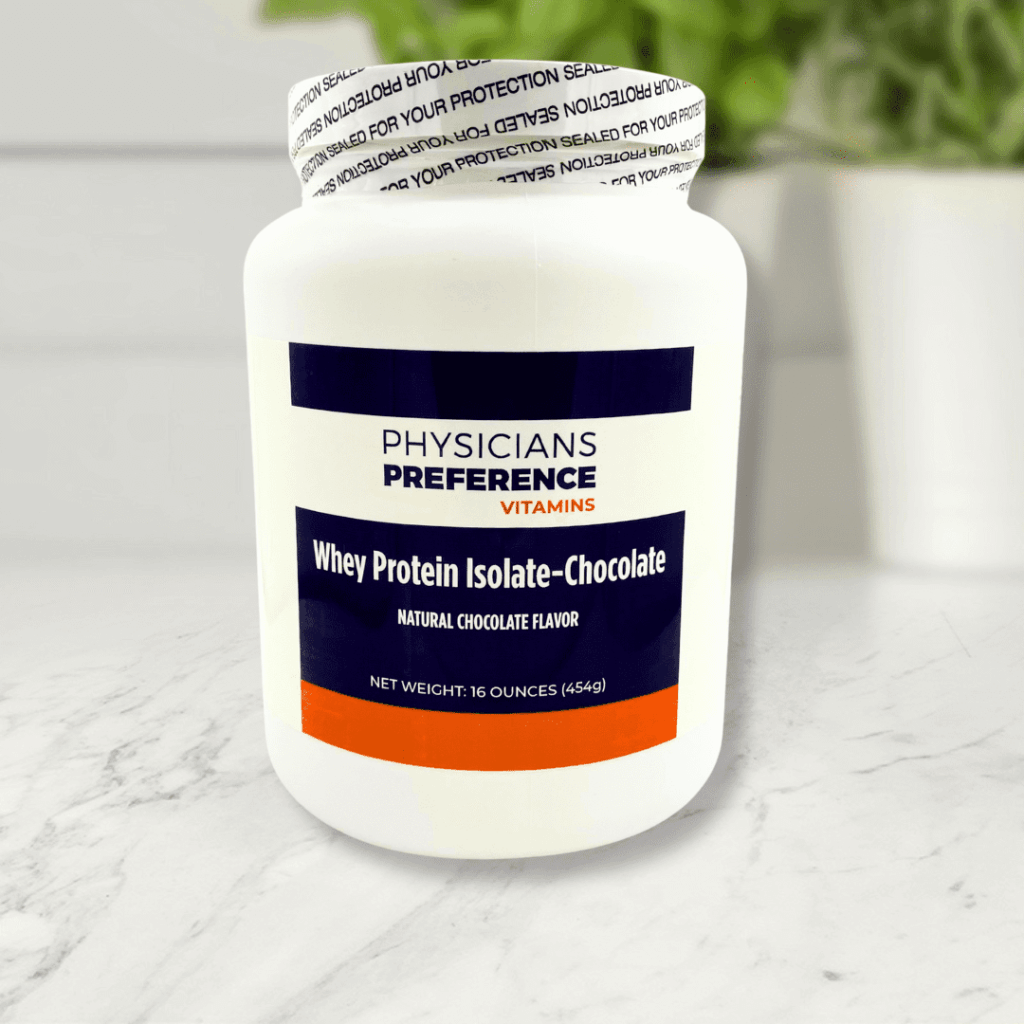
- Whey Protein Isolate, available in vanilla and chocolate, supplies 20 grams of naturally complete protein per serving with no added sugar. A micro-chilled process keeps the protein undenatured.
- Pure Vanilla Pea Protein provides 20 grams of pea protein isolate per serving. It contains no casein, gluten, or lactose, so it suits dairy-free and plant-based eaters.
Whey is naturally rich in leucine, while pea protein offers a strong alternative for anyone who avoids dairy.
Fiber, Probiotics, and Digestive Comfort on a GLP-1
If your digestion feels sluggish lately, you are not alone. Eating less food usually means eating less fiber. Combined with slower digestion, low fiber intake can increase the risk of constipation.
Soluble fiber works by absorbing water in the digestive tract. It forms a soft gel that adds bulk and helps stool move comfortably. Gut bacteria also ferment soluble fiber into short-chain fatty acids, which nourish the cells lining the colon.
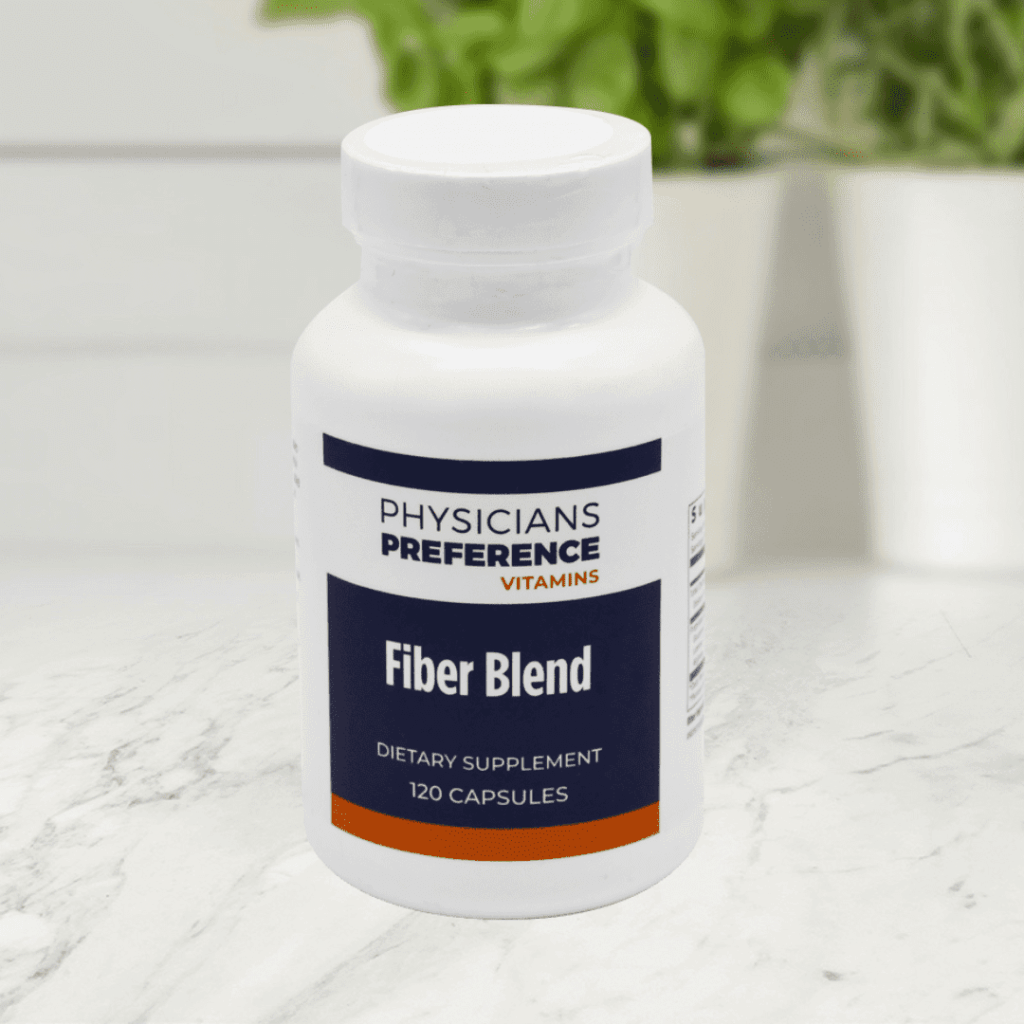
Fiber Blend combines purified and whole-food plant concentrates that deliver a broad spectrum of soluble fiber. Because it comes in capsule form, it fits easily into your day, even when a shake sounds unappealing. For best results, pair any fiber supplement with plenty of water.
Probiotics add another layer of gut support. Probiotic Blend provides 5 billion CFUs of beneficial strains from the Lactobacillus and Bifidobacterium families. These friendly bacteria help maintain a balanced microbiome, while soluble fiber serves as their fuel.
Electrolytes and Hydration While Eating Less
Many people do not realize how much water they get from food. So when portions shrink, hydration often drops. Nausea or diarrhea can further increase fluid loss.
Electrolytes such as sodium, potassium, and magnesium help regulate fluid balance, nerve signals, and muscle contractions. If you notice headaches, leg cramps, or unusual fatigue, low fluid or mineral intake may be part of the picture.
To stay ahead of dehydration, try these simple habits:
- Keep a water bottle within reach and sip steadily throughout the day.
- Add mineral-rich foods such as leafy greens, avocado, and broth.
- Lightly salt whole-food meals unless your provider has advised otherwise.
- Watch for dark urine or dizziness.
Key Vitamins and Minerals on GLP-1 Medication
Feeling tired by mid-afternoon, even though the scale is moving in the right direction? Smaller meals mean fewer servings of vegetables, fruits, and quality proteins. As a result, intake of B vitamins, vitamin D, magnesium, and zinc may decline.
Energy Formula contains 22 essential vitamins and minerals in a recommended three-capsule daily serving. Its key benefits include:
- Active B vitamins: Methylcobalamin (B12), pyridoxal-5-phosphate (B6), and L-5-MTHF (folate) act as cofactors that help convert food into cellular energy. Because they are already in active form, the body can use them right away.
- Magnesium citrate: Supports muscle function, nerve signaling, and hundreds of enzyme reactions.
- Zinc citrate: Supports immune function and the body’s ability to build protein.
- Vitamin D3 with K2: Works together to support bone health, which matters during weight loss.
- Chromium: Supports how the body uses carbohydrates.
- Clean formulation: Contains no iron, dairy, corn, egg, or gluten.
For more targeted support, B-Complex concentrates the full B vitamin family into one capsule a day. It features methylcobalamin, Metafolin® L-5-MTHF, and activated forms of B2 and B6 to support cellular energy production and healthy methylation.
Prefer to skip the pill organizer? PowerPak® combines three Energy Formula capsules with seven additional nutrients in one daily packet. These include magnesium citrate, vitamin C, CoQ10, L-carnitine, Omega Complete Fish Oil, N-acetyl cysteine, and L-taurine. CoQ10 helps the mitochondria produce energy, while L-carnitine shuttles fatty acids into the mitochondria, where cells burn them for fuel. Since each packet holds several capsules, take it with a meal or protein shake for comfort.
Quick Guide: Supplements to Take on GLP-1
| Nutrient | Why It Matters on a GLP-1 | PPV Option |
| Protein | Supports muscle maintenance during weight loss | Whey Protein Isolate or Pure Vanilla Pea Protein |
| Soluble fiber | Supports regularity and gut balance | Fiber Blend |
| Probiotics | Supports a balanced gut microbiome | Probiotic Blend |
| B vitamins and minerals | Supports energy metabolism | Energy Formula, B-Complex, or PowerPak® |
| Fluids and electrolytes | Supports hydration and muscle function | Water, mineral-rich foods, and Energy Formula |
Always review new supplements with your prescribing provider, especially if you take other medications.
Final Thoughts
A smaller appetite does not mean smaller nutrient needs. Your body still needs protein, fiber, fluids, and essential micronutrients to stay strong and energized. Choosing the right supplements to take on GLP-1 therapy helps your daily routine keep pace with your goals.
Not sure where to begin? Call our Certified Holistic Nutritionists at 281-646-1659 for personalized guidance on a supplement routine that fits your life.
*These statements have not been evaluated by the Food and Drug Administration. These products are not intended to diagnose, treat, cure, or prevent any disease.
Recommended products
 $73.95 — available on subscription
 $73.95 — available on subscription

 $60.00 — available on subscription

 $73.95 — available on subscription
 $74.95 — available on subscription
 $64.95 — available on subscription
 $67.95 — available on subscription
 $43.95 — available on subscription
 $44.95 — available on subscription