

Morning Sunlight Benefits: Why Experts Say Get Outside
The Power of Morning Light
Daylight saving time ended on Sunday, November 1, and sunset now arrives an hour earlier. Because of this shift, your internal clock may feel slightly out of step. Fortunately, mornings are briefly brighter, creating an ideal window to build a simple habit. Stepping outside within the first hour after waking gives your brain a powerful timing signal. In this post, we explain the science behind the benefits of morning sunlight, from deeper sleep to steadier energy. We also share practical ways to keep the habit going through winter.
How Morning Sunlight Sets Your Body Clock
Your body follows a roughly 24-hour cycle called the circadian rhythm. A small region in the brain, the suprachiasmatic nucleus, acts as the master clock for this cycle. Light is its most important cue. Specialized cells in the retina contain a light-sensitive pigment called melanopsin. These cells respond strongly to the blue-rich light of daytime. When morning light reaches them, they relay a signal straight to the master clock.
That signal starts a chain of events. First, it helps lower lingering melatonin, the hormone that promotes sleepiness. Next, it supports the natural morning rise in cortisol, which helps you feel alert. Finally, it anchors your day’s timing, so melatonin can rise again at the right time in the evening.
Intensity matters as well. Outdoor light is far brighter than typical indoor lighting, even on a cloudy day.
| Light Source | Approximate Brightness (lux) |
| Typical indoor room lighting | 100 to 500 |
| Overcast day outdoors | 1,000 to 10,000 |
| Direct sunlight | Up to 100,000 |
| Your phone at 2 a.m. | Feels like 200,000 |
For this reason, a few minutes outdoors often delivers more useful light than an entire morning beside a lamp.
Morning Sunlight Benefits for Sleep
Good sleep at night begins in the morning. Studies have linked bright daytime light exposure with better sleep quality and more consistent sleep timing. Morning light, in particular, shifts the body clock earlier, so you feel sleepy at a reasonable hour. In contrast, dim days followed by bright screens at night can push the clock later.
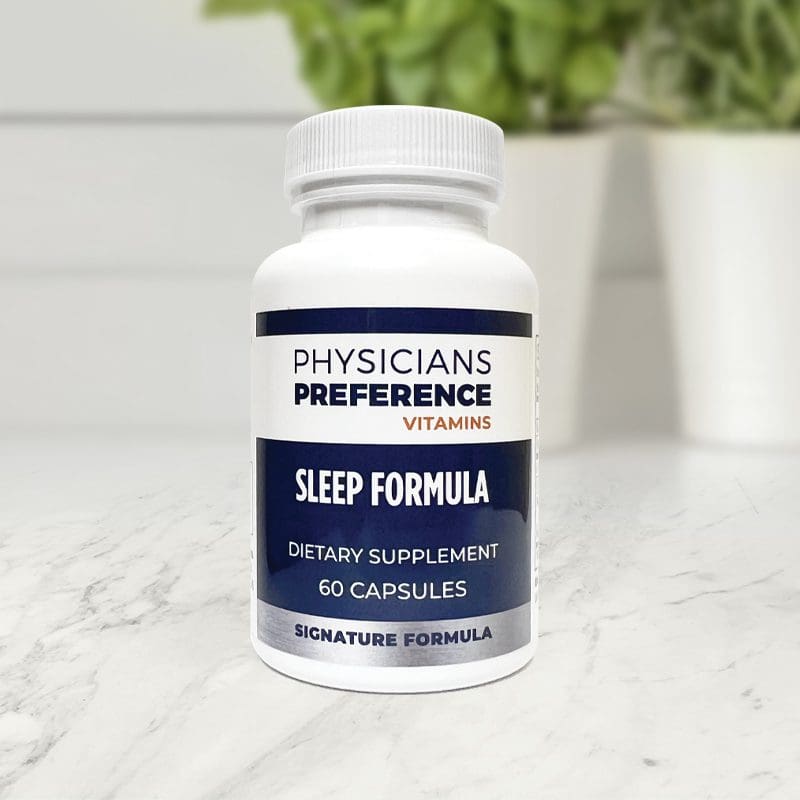
As a result, pairing morning sunlight with a darker, calmer evening routine creates a strong contrast for your body. To build on this foundation, read Sleep Formula: Natural Sleep Support Tops Melatonin Alone.
Morning Light Benefits for Mood and Energy
Morning light does more than improve sleep. Researchers have linked sunlight exposure to serotonin activity in the brain, a messenger that helps regulate mood. In addition, a large 2023 analysis of UK Biobank data examined daylight habits in adults. Those who spent more time outdoors in daylight reported better mood and sleep.
Because morning light supports a healthy cortisol rise, many people feel more alert after a brief walk outside. Moreover, a consistent body clock supports steadier energy throughout the day.
Morning Sunlight Tips for the Daylight Saving Shift
Morning light works best alongside a few lesser-known habits. Consider adding these to your routine as your body adjusts:
- Take a midday walk. Earlier sunsets shrink your daylight window, and midday sun also offers the strongest UVB for vitamin D.
- Use bright days as a buffer. Research shows that ample daytime light can make your body less sensitive to evening light from screens and lamps.
- Shower one to two hours before bed. A warm shower draws heat to your skin, and the cooling that follows helps signal sleep.
- Cool the bedroom. Your core temperature naturally drops before sleep, and a cooler room supports that shift.
- Switch to warm-toned bulbs at night. Amber light affects melatonin less than bright, blue-rich light.
Vitamin D and Sunlight
Sunlight also allows your skin to produce vitamin D. When ultraviolet B (UVB) rays reach the skin, they convert a cholesterol-based compound into vitamin D3. However, morning light does less for vitamin D than many people assume. UVB rays are strongest near midday, so early sunshine contributes relatively little vitamin D. Furthermore, winter sun across much of the United States sits too low for the skin to make meaningful amounts. Age, darker skin tone, sunscreen, and time spent indoors can further reduce production. To see how your location shapes this seasonal dip, read our guide on why sweater weather calls for vitamin D3 with K2.
For these reasons, many people choose to support their vitamin D levels with a supplement during the colder months. Physicians Preference Vitamins Vitamin D3 with K2 combines two complementary nutrients. Vitamin D3 supports calcium absorption from your diet. Meanwhile, vitamin K2 activates proteins, such as osteocalcin, that help direct calcium into bones and teeth. Together, they support bone health, immune function, and healthy calcium balance.
Making Morning Sunlight Work in Winter
Shorter days make the habit harder, but not impossible. To keep enjoying morning sunlight benefits as the days shorten, consider these practical steps:
- Go outside within an hour of waking. Many sleep experts suggest five to ten minutes on a clear morning and longer on overcast days.
- Skip the window. Light through a window is dimmer than light outdoors, so stepping outside works better.
- Protect your eyes. Never look directly at the sun; face the brighter part of the sky.
- Combine light with movement. A short walk adds physical activity to your morning routine.
- Stay consistent. Keep a similar wake time every day, including weekends.
Final Thoughts
Morning sunlight benefits nearly every part of your day, from alertness at breakfast to restful sleep at night. Best of all, the habit is free and takes only a few minutes. As the days grow shorter, a short morning walk can help keep your body clock on track. Meanwhile, smart nutrition can help fill the gaps that winter sunshine leaves behind.
Have questions about vitamin D, sleep support, or building a healthier routine? Our Certified Holistic Nutritionists are ready to help. Call 281-646-1659 to speak with a nutritionist today.
*These statements have not been evaluated by the Food and Drug Administration. These products are not intended to diagnose, treat, cure, or prevent any disease.
Recommended products

 $49.95 — available on subscription
 $59.00 — available on subscription
 $67.95 — available on subscription