
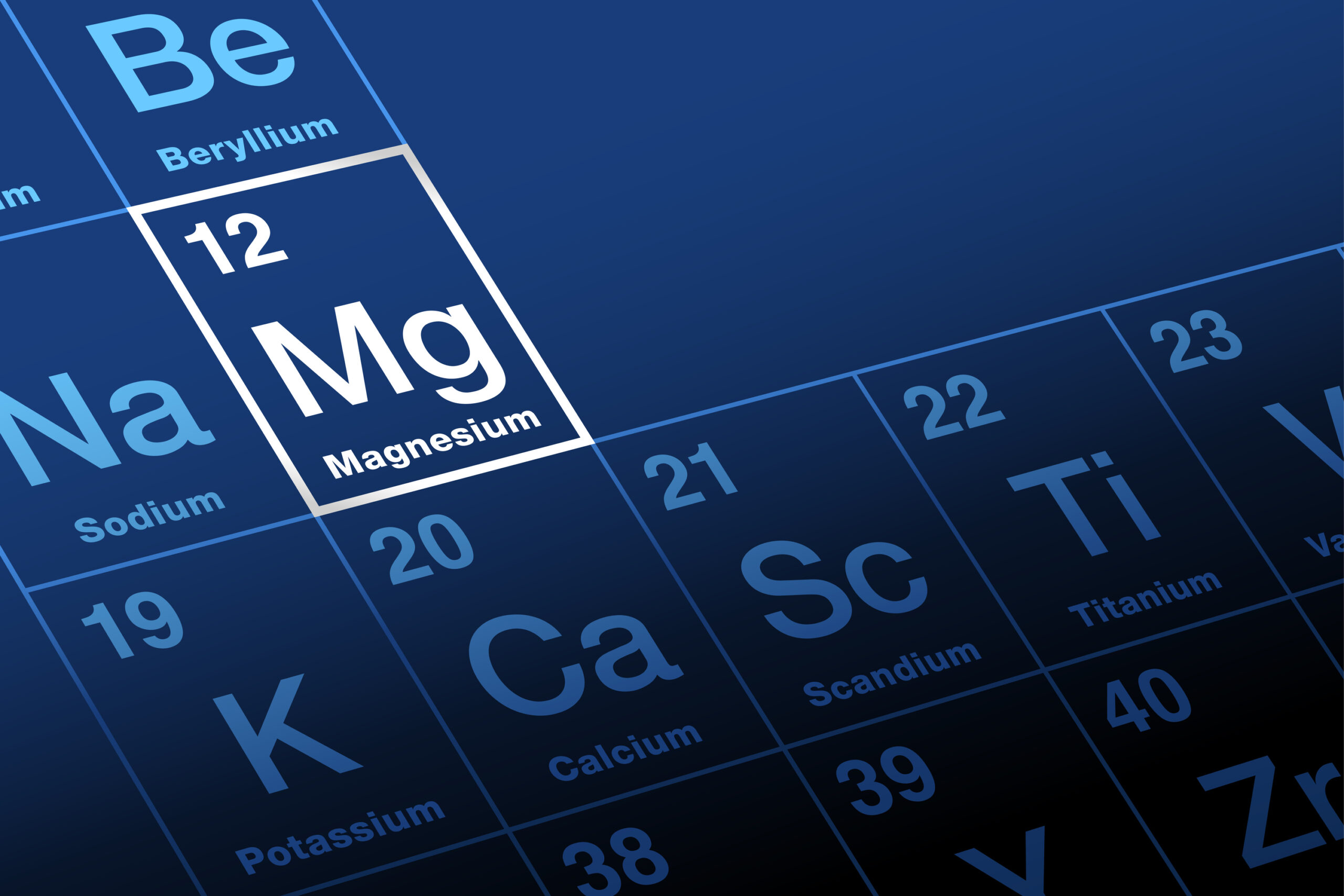
Why Magnesium Deficiency Is So Common
Have you ever wondered why magnesium keeps coming up in conversations about sleep, muscle cramps, stress, energy, and relaxation?
Magnesium works quietly behind the scenes throughout the body. It supports normal muscle and nerve function, energy production, bone health, blood sugar regulation, and many other essential processes.
However, many people do not get enough magnesium from their diet. In fact, a large portion of Americans consume less magnesium than recommended from food and beverages.
The body can often maintain normal blood magnesium levels even when dietary intake is low, as the kidneys conserve magnesium when intake decreases. However, consistently low intake can eventually make it more difficult to maintain healthy magnesium levels.
Why Is Low Magnesium Intake So Common?
Think about what you ate yesterday. Did your meals include pumpkin seeds, almonds, beans, spinach, or whole grains?
These foods naturally provide magnesium. However, they may not appear regularly in a typical modern diet.
Instead, many people eat more refined grains and highly processed foods. Refining grains removes the germ and bran, which also removes much of their natural magnesium.
Some of the best food sources of magnesium include:
- Pumpkin and chia seeds
- Almonds and cashews
- Spinach and other leafy greens
- Black beans and other legumes
- Whole grains
- Edamame
Therefore, eating enough food does not always mean you are getting enough magnesium.
Additionally, the body does not absorb every milligram of magnesium you eat. Certain digestive conditions can further reduce absorption or increase magnesium loss.
People with conditions that affect digestion and nutrient absorption may be at higher risk of low magnesium levels. Type 2 diabetes may also cause increased magnesium loss through urine. Additionally, older adults often consume less magnesium and may absorb it less efficiently as they age.
Medications matter too. Some diuretics can affect magnesium levels. Long-term use of certain acid-reducing medications may also contribute to low magnesium in some people.
So, low magnesium usually does not come down to one thing. Diet, digestion, age, health conditions, and medications may all play a role.
Signs of Magnesium Deficiency
Magnesium deficiency does not always announce itself clearly.
Maybe you have been dealing with muscle cramps more often. Perhaps you feel unusually tired or weak. These symptoms have many possible causes, but magnesium is one nutrient worth considering as part of the bigger picture.
Possible signs of magnesium deficiency include:
- Fatigue
- Weakness
- Loss of appetite
- Nausea
- Muscle cramps
- Muscle twitching, including eyelid twitching
- Muscle contractions or spasms
- Tremors
- Numbness or tingling
More severe magnesium deficiency can affect normal heart rhythm and nervous system function. Therefore, significant or persistent symptoms should always be discussed with your healthcare provider.
Magnesium Glycinate, Citrate, or Threonate: What Is the Difference?
Once you decide to supplement magnesium, another question usually follows:
Which magnesium should I take?
Magnesium comes in several forms because it is paired with other compounds. That pairing can affect absorption, digestion, and why someone may choose one form over another.
Magnesium Glycinate for Everyday Magnesium Support
Magnesium glycinate combines magnesium with the amino acid glycine.
This form tends to be gentle on the digestive system. Physicians Preference Magnesium Glycinate provides 150 mg of elemental magnesium per capsule in a chelated form.
Magnesium supports normal muscle and nerve function. Glycine also participates in normal nervous system activity.
Because of its digestive tolerance, magnesium glycinate is a sensible option for everyday magnesium support. Many people also choose it for an evening routine when relaxation is a priority.
Consider magnesium glycinate for:
- General magnesium support
- Normal muscle function
- Nervous system support
- Relaxation
- A magnesium form that is gentle on digestion
Magnesium Citrate for Magnesium and Digestive Support
Magnesium citrate is a combination of magnesium and citric acid.
This form dissolves well and is readily absorbed. However, magnesium citrate also has an effect within the digestive tract.
Magnesium can draw water into the intestines. As a result, magnesium citrate may help support occasional bowel regularity.
That makes magnesium citrate a useful choice for someone who wants magnesium support along with digestive benefits.
Physicians Preference Magnesium Citrate provides 150 mg of magnesium per tablet. Magnesium supports muscle and nerve function, bone health, and energy metabolism.
Consider magnesium citrate for:
- General magnesium supplementation
- Muscle and nerve function
- Energy metabolism
- Occasional bowel regularity
- Digestive support
Magnesium Threonate for Brain and Cognitive Support
Magnesium L-threonate combines magnesium with threonic acid, taking a more targeted approach.
This form helps increase magnesium availability in the brain. Because of this characteristic, magnesium threonate has attracted interest for its role in supporting cognitive and brain health.
Magnesium L-threonate may support memory, cognition, sleep quality, and daytime mental performance. It is increasingly viewed as a targeted option for those seeking to support brain and cognitive health.
Physicians Preference Magnesium Threonate uses Magtein®, a patented form of magnesium L-threonate.
Consider magnesium threonate for:
- Brain health support
- Cognitive function
- Memory support
- Mental performance
- A more targeted form of magnesium
Which Form of Magnesium Is Right for You?
There is no single best magnesium for everyone.
If you want gentle daily support, magnesium glycinate may fit your routine. Meanwhile, magnesium citrate may make more sense when digestive regularity is also a goal.
If brain and cognitive health are your priority, magnesium threonate delivers a more targeted option.
Most importantly, magnesium supplements work best as part of a healthy nutritional foundation.
If you have questions about which form is right for you, call our Certified Holistic Nutritionists at 281-646-1659. They can help you choose a magnesium supplement that aligns with your individual wellness goals.
These statements have not been evaluated by the Food and Drug Administration. These products are not intended to diagnose, treat, cure, or prevent any disease.
Professionally reviewed by James Bittick