

Healthy Fats for Brain Support: Why Omega Complete Makes Sense
You sit down with breakfast and coffee, yet your brain still feels like it needs extra time to wake up. Thoughts move slower than usual. Focus drifts during meetings. You walk into a room and forget why you entered.
Everyone has those moments.
When mental sluggishness becomes part of your normal routine, though, it may be time to look at what your brain receives each day. Sleep, stress, hormones, hydration, blood sugar, and thyroid function all play important roles. Nutrition matters, too, because your brain needs steady raw materials to think, focus, remember, and respond well.
One key raw material is fat.
For years, fat was often misunderstood. Low-fat diets became popular, and many people learned to avoid fat whenever possible. However, the brain tells a different story. It relies on the right fats for structure, communication, and daily performance.
Your brain contains a surprising amount of fat, but not the kind most people think of first. Much of that fat helps build cell membranes and support nerve tissue. That is one reason omega-3 fatty acids, especially DHA and EPA, play such an important role in brain nutrition.
So, the question is not whether your brain needs fat. It absolutely does. The better question is whether you are giving your brain the right kinds often enough.
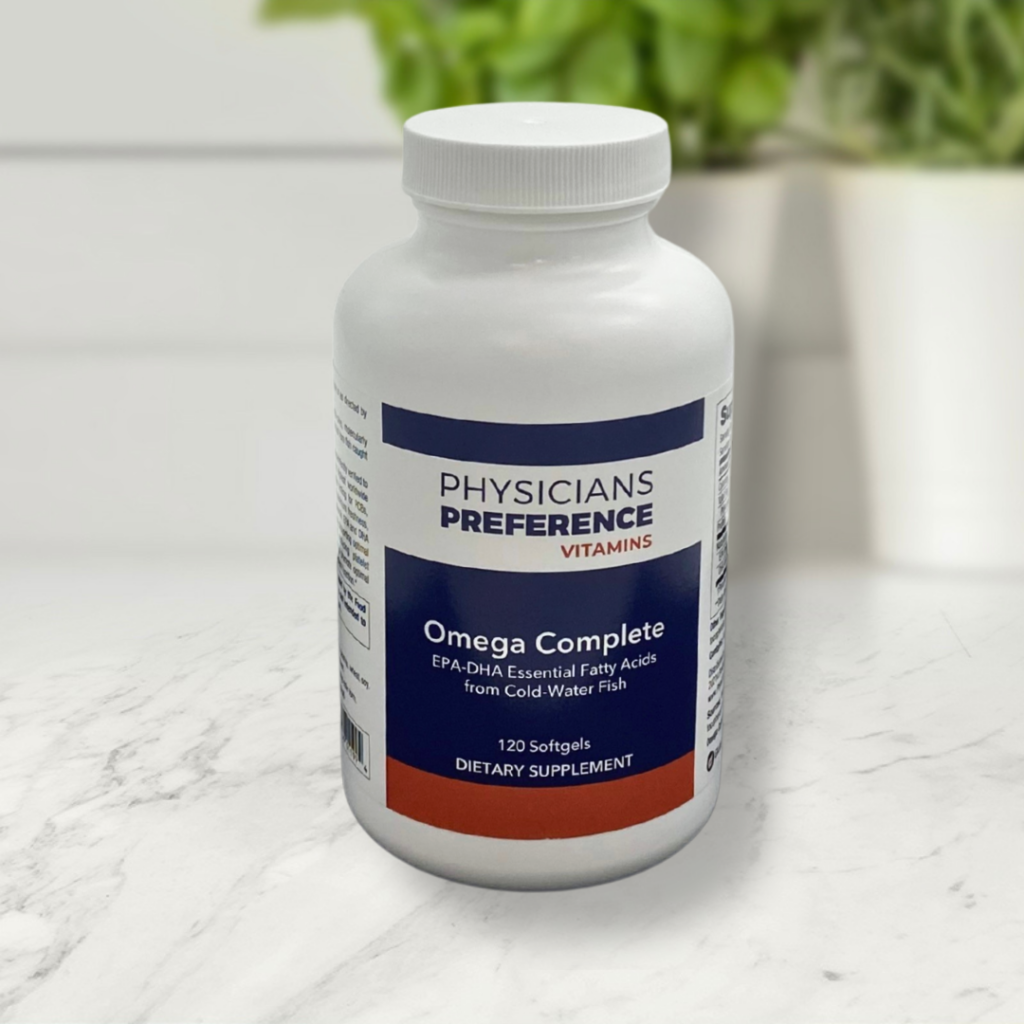
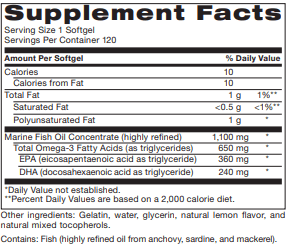
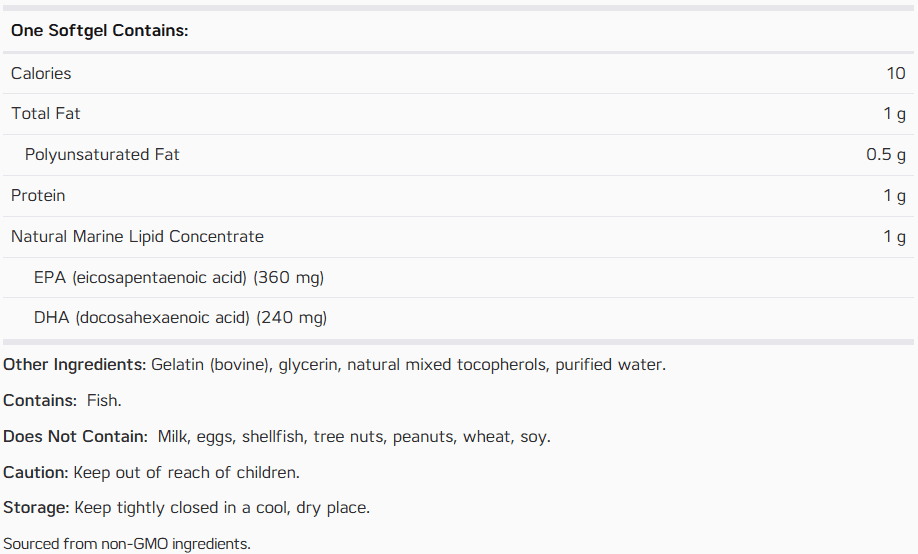
Omega Complete from Physicians Preference Vitamins provides a convenient source of highly refined marine fish oil concentrate. It contains total omega-3 fatty acids, including EPA and DHA. These omega-3s help support brain, heart, nerve, skin, joint, and whole-body cellular wellness.
Why Healthy Fats Transform How You Think and Feel
Your brain works all day, even when you do not think about it. It helps you read emails, remember details, process emotions, solve problems, move your body, and respond to stress.
Behind the scenes, it also helps regulate breathing, appetite, temperature, sleep cycles, coordination, and hormone communication. That is a lot of work for one organ.
Brain cells need strong membranes to communicate well. A cell membrane is not a stiff wall. Instead, it acts more like a flexible border that helps control what enters, what leaves, and how the cell responds to signals.
DHA, one of the main omega-3 fatty acids in fish oil, helps support the structure and flexibility of brain and nerve cell membranes. EPA plays a different role by supporting normal inflammatory balance and healthy cellular signaling.
Together, EPA and DHA help support the environment your brain cells need for everyday function.
Why Omega-3s Are Hard to Get from Diet Alone
Many people know fish is good for them. Fewer people actually eat fatty fish often enough.
That is where the gap begins.
Your body can make some fatty acids, but it does not make enough EPA and DHA on its own. You must get these omega-3s from food or supplements.
There are three common omega-3s to know:
| Omega-3 | Common Sources | What It Does |
| ALA | Flaxseed, chia seeds, walnuts | Plant-based omega-3 that must convert into EPA and DHA |
| EPA | Fatty fish and fish oil | Supports normal inflammatory balance and cell signaling |
| DHA | Fatty fish and fish oil | Supports brain, nerve, and retinal cell membrane structure |
Plant foods like chia seeds, flaxseeds, and walnuts are healthy choices. They provide ALA, fiber, minerals, and other nutrients. However, ALA must convert into EPA and DHA.
That conversion is limited. As a result, plant-based omega-3 foods do not fully replace marine-based EPA and DHA.
For direct EPA and DHA support, fatty fish or fish oil remains the more practical option.
What Would It Take to Replace Omega Complete with Food?
You can get EPA and DHA from food, but it requires consistency.
To replace Omega Complete through diet, you would need to eat omega-3-rich seafood regularly. Good options include salmon, sardines, anchovies, mackerel, herring, trout, oysters, and mussels.
Some people enjoy that routine. They plan fish meals, cook seafood well, and make it part of their weekly rhythm.
For many families, though, that habit is hard to maintain. Fresh fish can be expensive. Preparation takes time. Taste preferences can get in the way. Schedules change. Children may refuse it. Travel and workdays can also disrupt meal planning.
Occasional tuna, one salmon dinner every few weeks, or a handful of walnuts will not provide the same steady EPA and DHA support as a targeted fish oil supplement.
That is why Omega Complete makes sense for many people. It helps provide consistent omega-3 support without requiring perfect meal planning.
What Makes Omega Complete Different?
Omega Complete is the supplement we are pointing to because it provides the omega-3s most people struggle to get consistently.
This formula contains highly refined marine fish oil concentrate. It also provides total omega-3 fatty acids, including EPA and DHA.
Each part has a purpose.
| Ingredient | How It Works | Why It Matters |
| Marine fish oil concentrate | Provides omega-3 fatty acids from marine sources | Supplies direct EPA and DHA |
| EPA | Supports normal inflammatory balance | Helps support healthy cellular communication |
| DHA | Supports brain, nerve, and retinal membranes | Helps maintain membrane structure and flexibility |
DHA works mainly as a structural fatty acid. It helps support the membranes that surround brain and nerve cells.
EPA supports normal inflammatory balance and cellular signaling. Because they work differently, both omega-3s matter.
Omega Complete brings them together in one convenient formula.
Healthy Fats Support More Than Focus
Focus gets a lot of attention, especially when people feel mentally tired. Yet omega-3s support more than concentration alone.
Your brain connects with your entire body. It communicates with the nervous system, immune system, hormones, gut, blood vessels, and stress response.
Because of that, omega-3 support fits into a broader wellness plan.
EPA and DHA help support:
- Brain cell membrane structure
- Nerve cell communication
- Normal inflammatory balance
- Eye and retinal wellness
- Cardiovascular wellness
- Joint comfort and flexibility
- Skin health
- Whole-body cellular function
Omega Complete does not act like coffee. It does not create a quick burst of energy. Instead, it supplies foundational nutrients your body can use over time.
A Helpful Brain Fact: Your Nerves Need Fat, Too
Your brain is not the only part of your nervous system that depends on fat. Many nerves rely on myelin, a protective covering that helps insulate nerve fibers.
Think of myelin like the coating around an electrical cord. The cord works better when the covering stays intact and well supported.
DHA helps support nerve cell membrane structure. EPA supports the body’s normal inflammatory balance. Together, these omega-3s help support the nervous system’s nutritional foundation.
Healthy fats aren’t just good for brain support, they also connect to whole-body nerve wellness.
Why Modern Diets Often Fall Short
Modern meals often include plenty of fat, but not always the right balance of fats.
Many processed foods contain refined oils. Fried foods and packaged snacks can crowd out more nutrient-dense choices. Meanwhile, fatty fish often appears only occasionally.
A person may eat plenty of fat overall and still get very little EPA and DHA.
That distinction matters. Your brain does not just need “more fat.” It needs the right fats from quality sources.
Omega Complete helps fill that specific gap by providing marine-based omega-3s in a simple daily format.
Food First, Supplement Smart
A good wellness plan should always start with food. Whole foods provide vitamins, minerals, protein, fiber, antioxidants, and healthy fats that work together.
Try simple meals like these:
- Eggs with avocado and sautéed greens
- Salmon with roasted vegetables
- Probiotic yogurt with walnuts and berries
- Chicken salad with extra virgin olive oil dressing
- Sardines with cucumber, avocado, and mineral salt
- Turkey lettuce wraps with olive oil and vegetables
These meals help support steady nutrition. They also make healthy fats part of everyday life.
Still, even strong food routines have gaps. Busy schedules, travel, picky eaters, budget limits, and long workdays can make regular seafood intake difficult.
During those seasons, Omega Complete can help support EPA and DHA intake more consistently.
Who May Benefit from Omega Complete?
Omega Complete may fit well for people who want practical omega-3 support.
You may consider it if you:
- Rarely eat fatty fish
- Dislike the taste of fish
- Want direct EPA and DHA support
- Prefer a simple daily supplement
- Want to support brain and nerve wellness
- Need nutritional support for heart, joints, skin, and cellular health
- Follow a busy schedule
- Want a more consistent routine
Build a Brain-Supportive Plate
A brain-supportive plate should feel realistic, not complicated.
Start with protein. Add colorful vegetables. Include a healthy fat. Choose a fiber-rich carbohydrate when it fits your goals.
| Plate Component | Examples |
| Protein | Eggs, fish, chicken, turkey, beef, or Greek yogurt |
| Healthy fats | Avocado, olive oil, walnuts, coconut oil, or Omega Complete |
| Colorful plants | Greens, peppers, broccoli, berries, herbs, or squash |
| Fiber-rich carbs | Sweet potatoes, lentils, beans, or root vegetables |
| Minerals | Leafy greens, mineral salt, and whole-food sources |
Meals like this support balanced nutrition. They also help reduce reliance on processed snacks.
Consistency matters more than perfection. One perfect meal will not define your health. Repeated daily choices build the stronger foundation.
Final Thoughts
Your brain needs healthy fats because it depends on fat-rich structures. DHA helps support flexible brain and nerve cell membranes. EPA supports normal inflammatory balance and healthy cellular communication.
Food should always form the foundation. However, replacing Omega Complete with food requires regular intake of fatty fish such as salmon, sardines, anchovies, mackerel, herring, or trout. For many people, that routine is difficult to maintain every week.
Omega Complete offers a simple way to support EPA and DHA intake when your diet needs extra help.*
Let healthy fats become part of your daily brain nutrition plan. For questions about Omega Complete, call Physicians Preference Vitamins at 281-646-1659.
These statements have not been evaluated by the Food and Drug Administration. These products are not intended to diagnose, treat, cure, or prevent any disease.

In stock