

Farm Strong: Functional Strength Training for Real Life
Be honest: have you ever refused to make two trips from the car with the groceries? Congratulations, you have already tried a farmer’s carry. Farmers of past generations built impressive strength without a single gym membership. They hauled feed sacks, carried water buckets, and walked muddy fields from sunrise to sundown. Today, this style of movement has a fancier name: functional strength training. In plain terms, it builds the strength you actually use in daily life. At Physicians Preference Vitamins, we think real-life strength should feel practical, doable, and even a little fun.
What Farm Fitness Looks Like
Picture a typical day on a family farm. Someone lifts hay bales, carries tools across the barnyard, and chases a runaway goat or two. None of these tasks involve a mirror or a machine. Instead, each one works several muscle groups at once. As a result, balance, coordination, and endurance improve together.
Gym machines tend to train one muscle at a time. Farm-style movement, by contrast, trains the whole body as a team. Good news: you do not need a farm to get the benefits. Hauling laundry upstairs, lifting a toddler, or wrestling a bag of potting soil all count.
Why Functional Strength Training Matters as We Age
Here is the less fun part. Adults gradually lose muscle mass and strength with age, a process called sarcopenia. The loss tends to speed up in later decades. Over time, that can turn simple tasks, like opening a heavy door, into small battles. Thankfully, regular resistance exercise helps maintain muscle at any age.
Functional strength training makes particular sense for adults over 40. Because the movements copy real tasks, the strength shows up right where you need it. For example, a solid grip means fewer dropped grocery bags. Similarly, strong legs and hips make stairs and low couches far less intimidating. In addition, weight-bearing activity supports healthy bones.
Simple Functional Strength Moves: Carries, Lifts, and Walks
You do not need overalls or a pickup truck to train like a farmer. Instead, start with a few basic moves and build from there.
| Move | How to Do It | Real-Life Version |
| Farmer’s carry | Hold a weight in each hand and walk tall | The one-trip grocery haul |
| Suitcase carry | Carry a weight in one hand only | Toting a heavy bag through the airport |
| Floor-to-waist lift | Bend at the hips and knees, then lift an object from the floor | Picking up a child, a pet, or a case of water |
| Uneven-ground walk | Walk briskly on grass, trails, or gravel | Crossing the backyard or a pasture |
Start with lighter weights and focus on good form. Next, add weight or distance slowly over several weeks. Also, keep your back straight and let your legs do the lifting. Water jugs, paint cans, and grocery bags all make handy starter weights.
Rucking: Everyday Strength With a Backpack
Rucking sounds intense, but it simply means walking with a weighted backpack. Its roots lie in military training, yet it suits nearly any fitness level. The added load turns an ordinary stroll into a solid workout for the legs, back, and core. Moreover, it raises the challenge of walking without the pounding of running. Begin with a modest load and good posture. Then add weight gradually as your body adapts. Bonus: your dog will love the extra walks.
Fueling Functional Strength Training With Protein, Magnesium, and Vitamin D
Farmers did not run on coffee alone. Hard work requires real fuel, and muscles need the right raw materials to recover. Movement provides the challenge, while nutrition provides the building blocks. Today, quality supplements can help fill the gaps that busy schedules leave behind.
Protein
Think of protein as the lumber for your muscles. Your body breaks it down into amino acids, then uses them to repair and rebuild muscle fibers after exercise. Older adults may need more protein to support muscle maintenance. A quality protein powder makes it easy to hit your daily intake, even on hectic mornings.
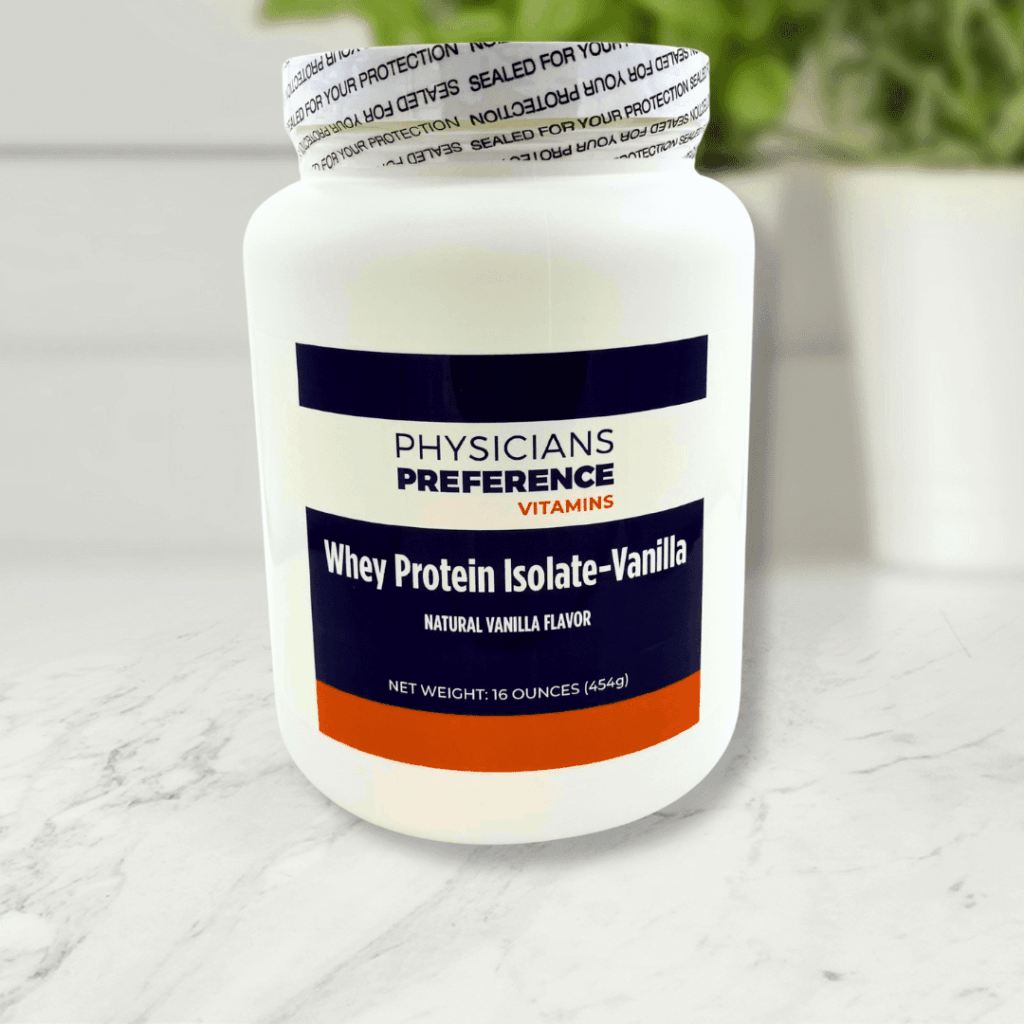
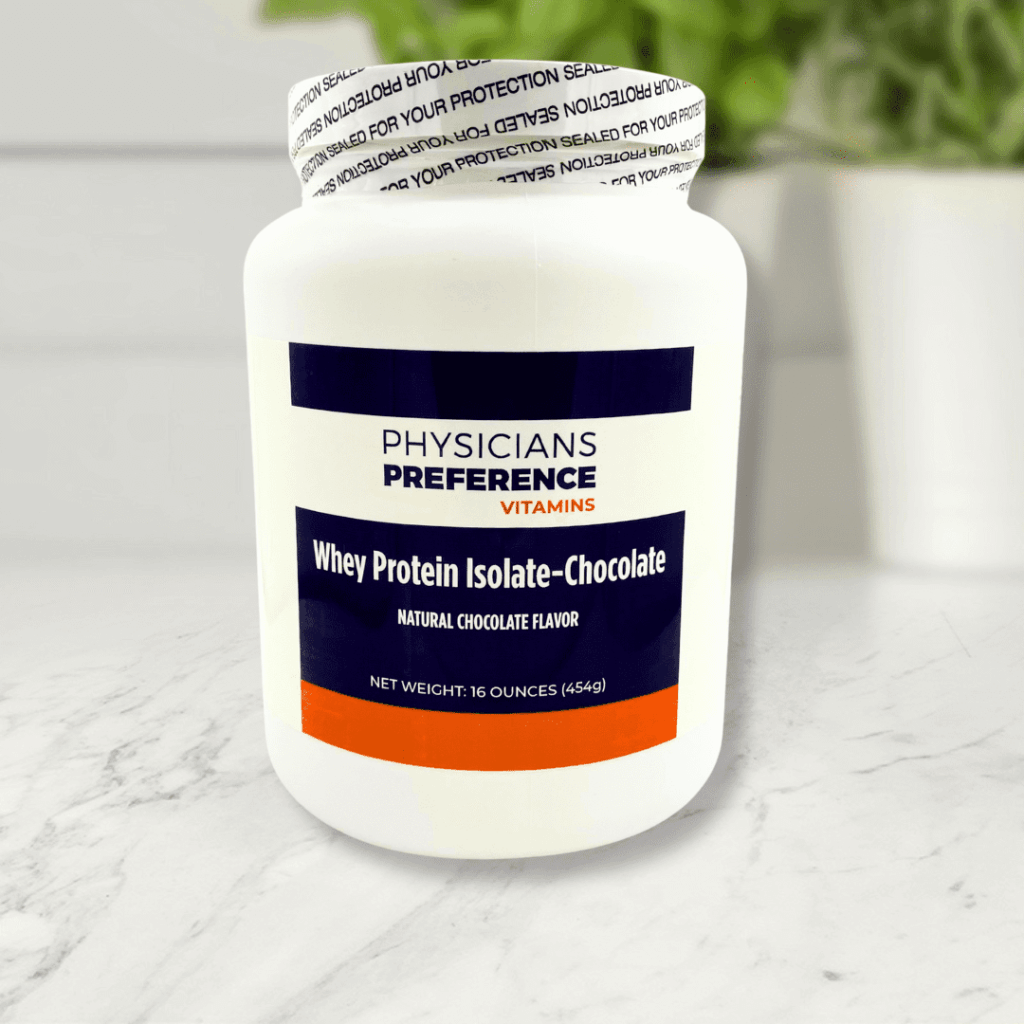
- Whey Protein Isolate: Whey supplies all essential amino acids, including leucine, which helps signal muscle building after exercise. Isolate processing also removes most of the fat and lactose. Choose Chocolate or Vanilla.
- Pea Protein: Pure Vanilla Pea Protein offers a plant-based, dairy-free option for anyone who avoids whey.
Magnesium Glycinate
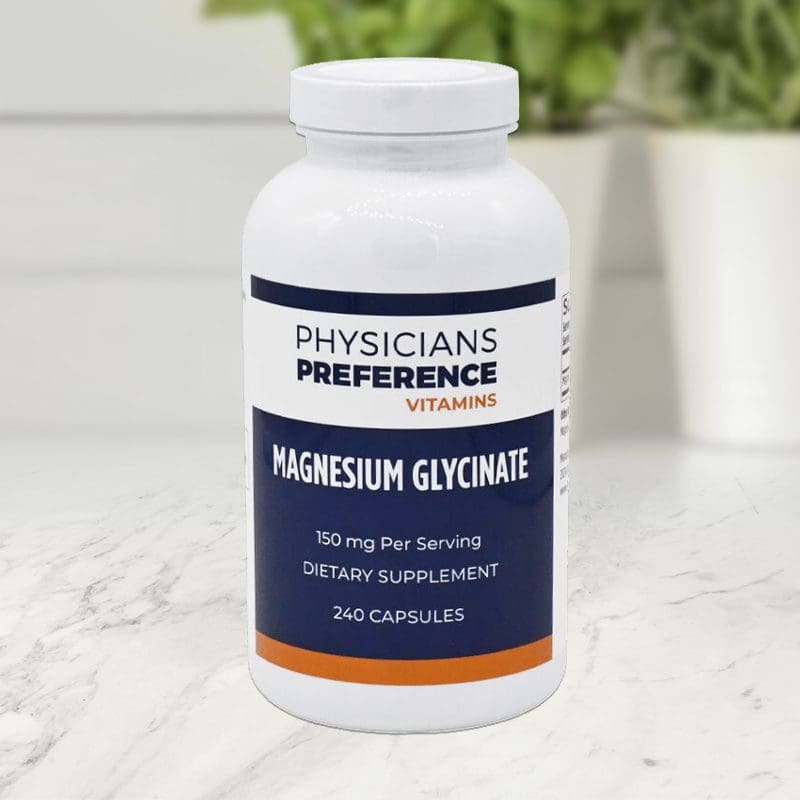
Magnesium works like a behind-the-scenes farmhand for your muscles. It helps them contract and relax properly. This mineral also supports the body’s production of cellular energy, known as ATP. The glycinate form binds magnesium to the amino acid glycine. As a result, it supports absorption and is generally gentle on the stomach. Explore Magnesium Glycinate to support muscle function and recovery.
Vitamin D3 with K2
Vitamin D supports normal muscle function and helps the body absorb calcium. Meanwhile, vitamin K2 acts like a traffic director, activating proteins that help guide calcium to the bones. Together, these nutrients support the sturdy frame that strong muscles depend on. Learn more about Vitamin D3 with K2.
Getting Outside for Everyday Strength
Farmers never had to schedule outdoor time. It simply came with the job. Sunlight on the skin prompts the body to produce vitamin D. Fresh air and uneven ground also make movement feel less like a chore. So, take your carries, walks, and rucks outside whenever you can. Even a short daily walk around the block builds a habit that supports lasting strength. Want to make the most of those early rays? Read our post on morning sunlight benefits.
Final Thoughts on Functional Strength Training
You do not need a barn, a tractor, or a fancy gym to get farm strong. Instead, strength grows from carrying, lifting, and walking with intention. Functional strength training prepares your body for the moments that matter, from grocery runs to playing with grandkids. Pair those moves with quality nutrition to support muscle, energy, and bone health. For more ideas, read our guide on how to build muscle after 40.
Ready to fuel your inner farmer? Call our Certified Holistic Nutritionists at 281-646-1659 for personalized guidance.
*These statements have not been evaluated by the Food and Drug Administration. These products are not intended to diagnose, treat, cure, or prevent any disease.
Recommended products
 $73.95 — available on subscription
 $73.95 — available on subscription

 $67.95 — available on subscription
 $49.95 — available on subscription
 $69.95 — available on subscription