
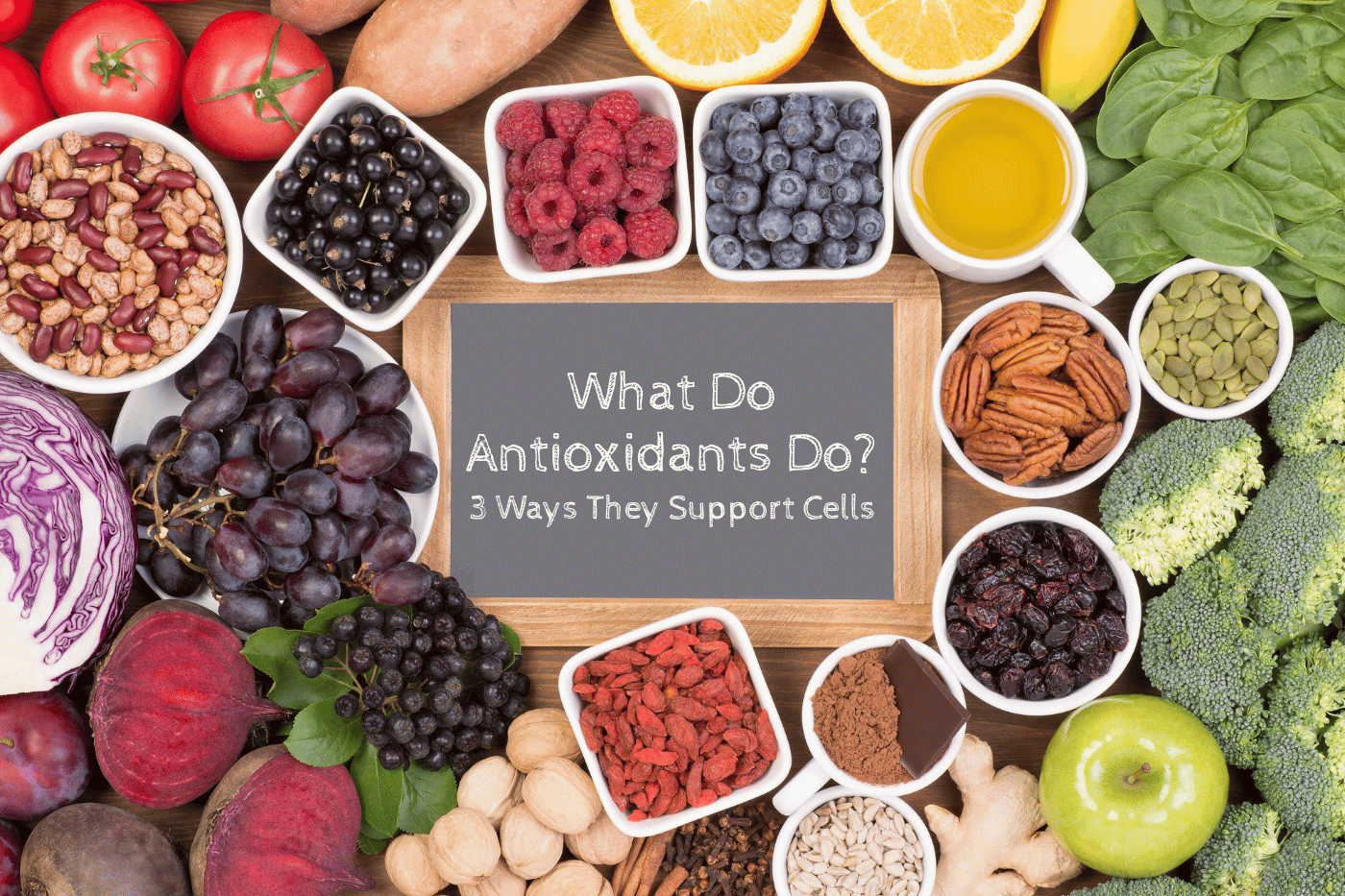
What Do Antioxidants Do? 3 Ways They Support Cells
You hear the word antioxidants often. Food labels mention them. Skin care brands highlight them. Supplement labels use the term too. However, many people still ask the same question: what do antioxidants do?
The answer starts inside your cells. Every day, your body makes energy, digests food, repairs tissue, responds to stress, and handles environmental exposures. During these normal processes, cells create unstable molecules called free radicals. A free radical has an unpaired electron, so it reacts quickly with nearby molecules. Because of that instability, it can affect cell membranes, proteins, mitochondria, and DNA.
Fortunately, your body has a defense system. Antioxidants help neutralize free radicals by donating electrons. They can do this without becoming highly unstable themselves. Therefore, antioxidants help protect cells from excessive oxidative stress, an imbalance that occurs when free radicals outnumber the body’s antioxidant defenses and begin damaging cells, proteins, and other tissues.
3 Key Ways Antioxidants Support Cells
Antioxidants support the body in three major ways. First, they help protect cells from excess oxidative stress. Second, they support mitochondrial function, which is central to energy production. Third, they help maintain immune, tissue, and inflammatory balance.
These three areas connect closely. When oxidative stress rises, cells may work less efficiently. As a result, energy, immune resilience, tissue repair, and healthy aging may all need additional support.
1. Antioxidants Help Protect Cells from Oxidative Stress
To understand what antioxidants do, picture a busy city. Your cells work like power plants, factories, repair crews, and communication systems. As work happens, waste also forms. Free radicals act like reactive byproducts created during that constant activity.
A few free radicals serve normal roles. In fact, the body uses free radicals for immune signaling and cellular communication. Problems arise when free radical production exceeds antioxidant capacity. Then oxidative stress can develop.
Oxidative stress can develop for many reasons. Normal metabolism creates free radicals. Physical activity also creates them, although healthy exercise helps the body adapt. Additionally, environmental exposures can raise oxidative load.
Common contributors include:
- Poor sleep
- Chronic stress
- Excess alcohol
- Smoking or secondhand smoke
- Air pollution
- Pesticides and chemical exposures
- Ultra-processed foods
- High refined sugar intake
- Excessive sun exposure
- Ongoing inflammation
Although the body can handle some oxidative stress, chronic overload may strain cellular repair capacity. For that reason, antioxidant support matters for many systems. Such support may benefit tissue protection, energy production, immune resilience, and healthy aging.
| Antioxidant role | What it means for cellular health |
| Neutralize free radicals | Antioxidants help stabilize reactive molecules. |
| Support cell membranes | They help protect fats in cell membranes from oxidation. |
| Assist mitochondria | They support the energy-producing parts of cells. |
| Promote balance | They help the body respond to stress in a healthier way. |
| Work in networks | Some antioxidants help preserve or regenerate others. |
As a result, antioxidant support works best as a daily habit. Consistent support from food, lifestyle choices, and targeted supplements can help maintain balance when appropriate.
2. Antioxidants Support Cellular Energy Production
Many people connect antioxidants with immune health. Yet these nutrients also matter for energy. Your mitochondria make most of your cellular energy. During that process, they naturally generate free radicals.
When antioxidant defenses remain balanced, mitochondria can operate under a lower oxidative burden. However, oxidative stress can strain mitochondrial membranes and enzymes. As a result, energy production may feel less efficient.
Antioxidant nutrients do not replace sleep, protein, hydration, or balanced blood sugar. Instead, they support the cellular environment where energy production occurs.
3. Antioxidants Support Immune, Tissue, and Inflammatory Balance
Your immune system works hard every day. It helps your body respond to germs, environmental stressors, and the normal wear and tear of daily life. As part of this process, immune cells naturally produce reactive molecules to do their job. However, just like any hardworking system, balance is important.
Think of antioxidants as part of your body’s support team. They help protect immune cells from excess oxidative stress so those cells can continue working effectively. By helping maintain a healthier cellular environment, antioxidants support immune cell resilience and overall immune health over time.
In other words, antioxidants do not “boost” or suppress your immune system. Instead, they help create a healthier environment for immune cells to function, recover, and stay resilient over time.
Food Comes First
A strong antioxidant routine starts with food. Colorful fruits and vegetables contain vitamin C, carotenoids, polyphenols, flavonoids, and other protective compounds. Herbs, spices, nuts, seeds, green tea, and quality protein also contribute important nutrients.
For example, citrus fruits provide vitamin C, while berries offer several antioxidant compounds. Wild blueberries, blackberries, black raspberries, black currants, raspberries, and strawberries contain nutrients such as anthocyanins, polyphenols, and vitamin C. In general, deeper-colored berries tend to provide higher antioxidant activity because their pigments contain concentrated protective plant compounds. Leafy greens offer carotenoids and minerals. Turmeric contains curcuminoids, and quality protein foods provide amino acids that help the body build its own internal antioxidant systems.
Additionally, blood sugar balance matters. Diets high in refined sugar and ultra-processed foods can increase oxidative stress. By contrast, meals built around protein, healthy fats, fiber, and colorful plants support a healthier metabolic response.
Supplements can help fill gaps. Even so, they work best alongside a nutrient-dense eating plan.
Vitamin C: Antioxidant Support for Healthy Tissues
Vitamin C is one of the most important antioxidants in the body. As a water-soluble nutrient, it helps neutralize free radicals and supports healthy cells and tissues.
It also plays an essential role in collagen production, supporting skin, blood vessels, bones, cartilage, and connective tissue. In addition, Vitamin C supports immune function and helps protect healthy tissues during everyday immune activity.
Physicians Preference Vitamins Vitamin C provides vitamin C as ascorbic acid along with citrus bioflavonoids and rutin, plant compounds that complement its antioxidant activity.
This formula supports two of the key antioxidant roles discussed in this blog: helping protect cells from oxidative stress and supporting immune and tissue health.
Curcumin: What Do Antioxidants Do for Inflammatory Balance?
Because oxidative stress and inflammation are closely connected, supporting balance in one area may help support the other. Curcumin also supports healthy cellular, metabolic, cardiovascular, and neurological function.
Curcumin Ultimate from Physicians Preference Vitamins contains three researched curcuminoids: curcumin, demethoxycurcumin, and bisdemethoxycurcumin. To help address Curcumin’s naturally low absorption, the formula includes quillaja extract, delta- and gamma-tocotrienols, and medium-chain triglycerides to support bioavailability.
Curcumin Ultimate supports the first and third antioxidant roles in this blog by helping support the body’s response to oxidative stress and maintain a normal inflammatory response.
Alpha Lipoic Acid: Antioxidant Support Inside Cells
Alpha Lipoic Acid, often called ALA, is a unique antioxidant because it works in both water-based and fat-based areas of the body. This allows it to support antioxidant protection throughout many cellular environments.
ALA also supports cellular energy production and healthy glucose transport into cells, making it important for metabolic and mitochondrial function.
European Alpha Lipoic Acid from Physicians Preference Vitamins provides European SL-thioctic acid to support antioxidant defenses, cellular energy, and glucose metabolism.
ALA supports the first and second antioxidant roles in this blog by helping protect cells from oxidative stress while supporting mitochondrial function and energy production.
How Vitamin C, Curcumin, and ALA Support the Body
Not all antioxidants work in the same way. Each one supports different areas of the body and provides unique benefits.
| Supplement | Main antioxidant focus | How it supports the body |
| Vitamin C 1000mg | Water-soluble antioxidant support | Helps neutralize free radicals and supports collagen, immune function, and tissue health. |
| Curcumin Ultimate | Oxidative stress and inflammatory balance | Supports cellular function and a normal inflammatory response with enhanced absorption. |
| European Alpha Lipoic Acid | Water- and fat-soluble antioxidant support | Supports cellular antioxidant defenses, energy production, and glucose transport into cells. |
When used as part of a healthy wellness routine, these nutrients provide broad antioxidant support. Vitamin C helps protect cells and supports immune and tissue health. Curcumin helps the body maintain a healthy response to oxidative stress and inflammation. Alpha Lipoic Acid supports cellular energy production while providing antioxidant protection in both water-based and fat-based areas of the body.
Lifestyle Habits That Support Antioxidant Balance
Supplements can support the body, but lifestyle sets the foundation. Daily habits influence free radical production and antioxidant capacity.
Start with sleep. Restorative sleep helps the body repair tissues and regulate stress hormones. Next, prioritize steady blood sugar. Build meals around protein, fiber, healthy fats, and colorful plants. Also, drink enough water. Proper hydration supports circulation, nutrient transport, and normal elimination.
Movement matters too. Moderate exercise may temporarily increase free radical production. However, consistent training helps strengthen internal antioxidant defenses. In contrast, excessive exercise without recovery can increase oxidative burden.
Finally, reduce avoidable exposures. Choose smoke-free environments. Limit alcohol. Wash produce. Use cleaner household products when possible. Protect your skin during sun exposure. Together, these steps reduce the daily oxidative load your cells must manage.
Practical Takeaways: What Do Antioxidants Do Daily?
Antioxidants support daily health in quiet but important ways. You may not feel them working immediately. Nevertheless, your cells rely on them for steady protection and repair.
Use these practical steps as a guide:
- Eat colorful plant foods daily.
- Include quality protein at meals.
- Reduce or eliminate refined sugar and processed foods.
- Support sleep and stress management.
- Move consistently, but allow recovery.
- Consider targeted supplements when your routine needs extra support.
These steps create a foundation for antioxidant balance. They also support broader wellness goals, including energy, immune resilience, skin health, healthy aging, and metabolic function.
Common Questions About Antioxidants Explained
What do antioxidants do in simple terms?
Antioxidants help neutralize free radicals. By stabilizing reactive molecules, they help protect cells from excess oxidative stress.
Are free radicals always bad?
No. Your body uses free radicals for normal immune activity and cellular signaling. Problems develop when free radical production becomes excessive.
Why does oxidative stress matter?
Oxidative stress matters because it can strain cells over time. When antioxidant defenses are overwhelmed, free radicals may damage membranes, proteins, mitochondria, and DNA.
Do antioxidant supplements replace healthy eating?
No. Supplements should support a healthy routine, not replace one. Food provides fiber, minerals, phytonutrients, and many compounds that work together.
Which antioxidants support energy?
Alpha Lipoic Acid supports cellular energy production and healthy glucose transport into cells. It also provides antioxidant support in both water- and fat-based areas of the body.
Final Thoughts
So, what do antioxidants do? They help protect cells from excess oxidative stress. They also support cellular energy production and help maintain immune, tissue, and inflammatory balance.
Vitamin C, Curcumin, and ALA each offer distinct antioxidant support. Vitamin C helps protect watery areas of the body while supporting collagen and immune function. Curcumin supports oxidative stress balance and a normal inflammatory response. Meanwhile, ALA supports antioxidant activity both inside and outside cells and helps with cellular energy production.
Because antioxidant needs vary, choose supplements with purpose. Start with nutrient-dense food and healthy daily habits. Then use targeted support when your body needs help filling nutritional gaps.
If you have questions about Vitamin C, Curcumin Ultimate, European Alpha Lipoic Acid, or your personal supplement routine, contact our Certified Nutritionists at 281-646-1659.
*These statements have not been evaluated by the Food and Drug Administration. These products are not intended to diagnose, treat, cure, or prevent any disease.